A lot of people are diagnosed autistic as adults now, often after a child's diagnosis or a burnout that finally made the pattern obvious. If that is you, you probably spent the first few weeks re-reading your own life. The friendships that faded without explanation. The years of being told you were too blunt, too intense, too quiet. The exhaustion after social events that everyone else found relaxing.
Then, for many people, comes a new and slightly surprising wish: to know other autistic people. Not instead of the friends you have, but as well. Here is why that happens, and how to do it without feeling like you are starting again at forty.
Why you might want autistic friends now
With other autistic people, a lot of the labour disappears. You do not have to decode what someone meant, because they said what they meant. You do not have to explain why you need to leave at nine, or why you would rather message than call, or why you are still talking about the same subject an hour later. It is the difference between speaking a second language well and speaking your first.
Many late-diagnosed people describe their first conversation with another autistic adult as the first time they felt normal. That is worth having.
What tends to change
You stop apologising so much. Once you know why you do things, you can say so once instead of apologising every time. "I don't do phone calls, but I'll always reply to a message" is a boundary, not a flaw.
You re-read old friendships more kindly. Some of the people who drifted away were never going to work. Some of them might, now that you can tell them what was going on. A few people will respond badly to the diagnosis. That tells you something useful about them.
You can stop masking with new people. This is the hard one. If you have spent decades performing a more acceptable version of yourself, meeting people as you actually are feels exposed. It is also the only way to end up with friends who like the real version. Start small: one honest sentence early on, and see what happens.
Where to find autistic people
- Late-diagnosed communities. Online, there are large Facebook groups and forums specifically for people identified later in life. They are good places to read before you post.
- Autism social groups for adults. Most areas have at least one, often run by a charity or the local branch of the National Autistic Society. Their directory is the best starting point. We have a list for London.
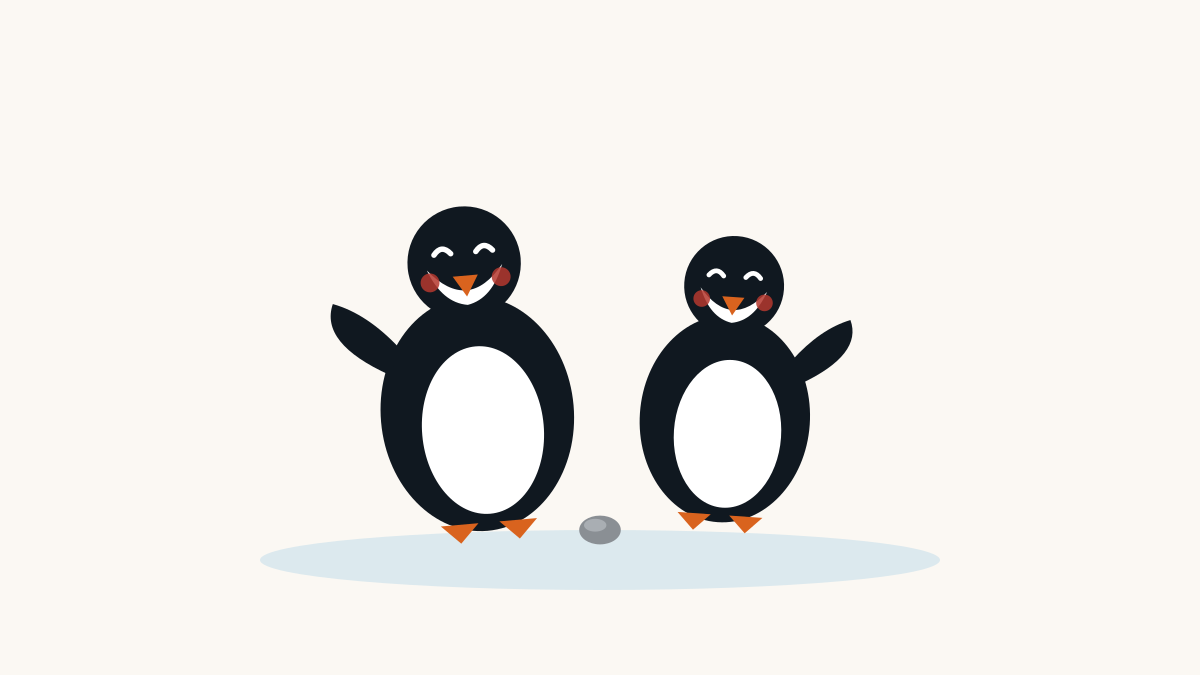
- Apps made for this. We make The Pebble Club, a free friendship app for autistic adults. You are matched with someone who shares your interests, then you play a game together, a turn at a time, before anyone needs to find something to say. Many members joined after a late diagnosis, for exactly the reasons above.
A few things that help
Lead with an interest, not the diagnosis. You do not have to open with "I'm autistic". Open with the thing you love, and let the shared way of thinking show up by itself. It will.
Expect to go at a different pace. Autistic friendships often develop slowly and then run deep. Weeks of a game and a few messages, then one long conversation that changes everything. That is normal.
Watch your energy, not the clock. A diagnosis often comes with the realisation that you have been running on empty for years. Shorter contact, more often, is kinder than big occasions.
Be direct about directness. "If I'm being too much, tell me, I won't be offended" gives the other person permission to be honest, which is the thing most of us want anyway.
If you are grieving as well
It is common to feel sad, or angry, for the years you did not know. That is a real loss and it deserves time. You do not have to be at peace with the diagnosis before you make friends, though. The friends often help with the peace.
If you would like to try our app, it is free on the App Store and Google Play, and there is more about how it works at thepebbleclub.com. We also wrote a longer guide to making friends as an autistic adult.