
Where can autistic adults find social groups in New York City?
In short: New York has more than most cities, if you know where to look. Autistic Adults NYC, Aspies for Social Success and Autistic in NYC are run by autistic people and meet every week, in person and online. Felicity House is a community for autistic women. GRASP runs online groups from Manhattan. On top of that there are board game and book clubs that suit quiet people, sensory-friendly Broadway shows, museum hours and sports. The 34 entries below were last checked in November 2026. Details change, so look at a group's own page before you go.
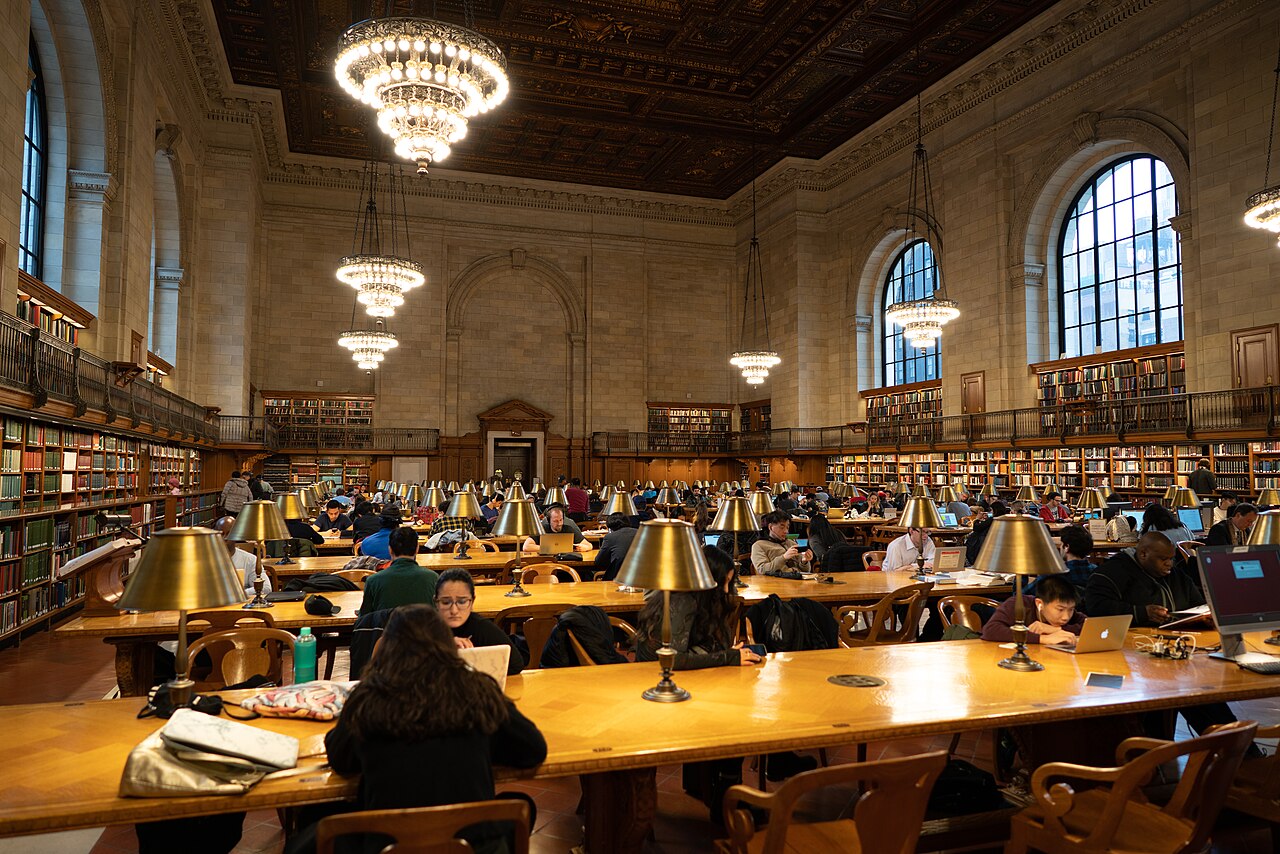
New York has eight million people and, somewhere in there, a lot of autistic adults who would like a friend or two. The trouble is that the groups are scattered across Meetup, small websites, Discord servers and charity pages, and a good share of what search engines show you is out of date. This guide is our attempt to put the real, current options in one place.
We only kept groups that had met, or had a date on the calendar, in the last twelve months. If you run a group that should be here, or something has changed, email hello@thepebbleclub.com and we will fix it.
The groups at a glance
| Name | Type | Area | How often |
|---|---|---|---|
| Autistic Adults NYC | Autistic-led social group | All boroughs and online | Several events a week |
| PAUSE (Autistic Adults NYC) | Autistic-led, low-talk crafts | Brooklyn and around | About every two months |
| Autistic in NYC: Queens groups | Autistic-led peer groups | Queens and online | About eight chats a month |
| Aspies for Social Success | Autistic-led social group | Manhattan and Zoom | Weekly |
| NYC Neurospicy Social | Neurodivergent social | Manhattan | Occasional |
| Neurodivergents Living Lightly | Neurodivergent workshops and socials | Manhattan and online | Occasional |
| NYC Neurodivergent Networking Evening | Networking evening | Brooklyn and Manhattan | Every month or two |
| Best Buddies in New York | Friendship matching | Citywide and online | Ongoing |
| Silent Book Club NYC | Reading club | All boroughs | Many times a month |
| NYC Tabletop RPGs | Role-playing games | Brooklyn and Queens | About twice a month |
| NYC Free DND | Role-playing games | Manhattan and Discord | About monthly |
| Tuesday Board Games | Board games | Park Slope, Brooklyn | Every other Tuesday |
| Astoria Board Game Club | Board games | Astoria, Queens | About every two weeks |
| NYC Anime & Gaming | Anime and games | Online and outings | Weekly online |
| TDF Autism Friendly Performances | Broadway shows | Midtown Manhattan | Several a season |
| New York City Ballet sensory-friendly | Ballet | Lincoln Center | About twice a season |
| Jackie Robinson Museum sensory hours | Museum | Lower Manhattan | Every couple of months |
| Intrepid Museum access programs | Museum | Hell's Kitchen | About monthly |
| Bronx Zoo sensory-friendly night | Holiday lights | Bronx | Once a season |
| NYBG sensory-friendly mornings | Holiday Train Show | Bronx | Twice a season |
| Volo and Special Olympics unified basketball | Sport | Williamsburg, Brooklyn | Weekly in season |
| ParaCliffHangers adaptive climbing | Climbing | Long Island City, Queens | Weekly |
| Staten Island Hiking Meetup | Walks and hikes | Staten Island | Several a week |
| CUNY Project REACH (Hunter) | Student program | Upper East Side | Term time |
| Pace University OASIS | Student program | Lower Manhattan | Term time |
| Child Mind Institute PEERS | Social skills course | Midtown East | Weekly, one cohort |
| NEXT CONNECTS | Career mentoring | Online | Cohorts |
| Felicity House | Community for autistic women | Manhattan | Seasonal calendar |
| Autistic Women's Support and Social Group | Autistic-led, women | Online | About monthly |
| GRASP women, non-binary and LGBTQIA+ groups | Peer support | Online | Monthly or twice monthly |
| GRASP virtual support groups | Peer support | Online | Weekly |
| PFLAG NYC Neurodiversity & Gender Diversity | Family support | Online | Monthly |
| Autistic Techies of the NYC Area | Autistic-led, career | Online | About monthly |
| Neurodivergent Liberation Community | Online community | Online | Several a week |
How to choose
Start with what you want from it, not with what sounds most impressive.
- If you want people who get it straight away, try the autistic-led groups first. Nobody there will ask you to explain why you need to sit by the door.
- If talking is the hard part, pick something with an activity in the middle, such as board games, a role-playing game, a silent book club or a climb. The activity does the work small talk usually does. We wrote more about this in autism and small talk.
- If crowds are the hard part, look for small numbers. Text-only chats (Autistic in NYC), closed small circles (Felicity House) and one-to-one matching (Best Buddies) are all gentler than a big room.
- If you are newly diagnosed, a support group can be a good first step before a social one. Our guide to making friends after a late autism diagnosis has more on that.
- Check the travel. A great group two hours away on two trains is a group you will stop going to. Something closer and slightly less perfect often lasts longer.
What the first visit is like
Almost every group on this list has had nervous first-timers before, and most will tell you exactly what to expect if you ask. Email or message the organizer first. Ask where to go when you arrive, roughly how many people come, whether there is somewhere quieter to step away to, and whether it is fine to leave early. None of those questions is strange to them.
On the day, you do not have to talk much. Listening is a normal way to spend a first meeting. Bring whatever helps you, whether that is headphones, a fidget or a drink you like. Several groups below run text-only chats or online sessions, which are a good way to meet the regulars before you meet them in person. Then give it two or three visits before you decide, because the first one is always the hardest. Our article on how to make friends as an autistic adult goes through the steps after that first meeting.
Autistic-led social groups
These are run by autistic people, for autistic people. In our experience they are where most autistic New Yorkers start.
Autistic Adults NYC
This is the biggest autistic-run community in the city, and it is a nonprofit. It puts on events several times a week. They include game nights, writing sessions, craft afternoons, plant walks, transit and train walks, museum trips, relaxed theater outings, yoga and practical workshops, and there is a member Discord as well. It also has smaller groups inside it, including women's and LGBTQ groups and a BIPOC group that visited the Studio Museum in Harlem in November 2026.
- Who runs it: It is run by autistic adults.
- Who it's for: It is for autistic adults of all support needs, and you do not need a formal diagnosis.
- Where: Events happen in all five boroughs, mostly Manhattan and Brooklyn, and online.
- When: There are several events a week.
- Cost: Membership has no charge, though some events are for supporters only.
- How to join: Fill in the sign-up form on their site. They read each one by hand, which takes a few working days. Then you sign up for events on their member site.
- Sensory notes: Event listings warn you when somewhere may be loud and suggest earplugs or headphones. The site also has a guide to the autistic sensory experience.
PAUSE, from Autistic Adults NYC
This is a quieter series for autistic adults with intellectual disabilities, non-speaking or minimally speaking adults, and anyone who finds ordinary social settings too much. Sessions are relaxed craft meetups where nothing depends on talking. People have made holiday cards, tactile art and sensory kits.
- Who runs it: Autistic Adults NYC runs it, so it is autistic-led.
- Who it's for: It is for the adults described above. Family members and support people are welcome.
- Where: The venue is given on each event page.
- When: It meets about every two months, on Saturdays around midday. The next one is on December 19, 2026.
- Cost: The page does not give a cost.
- How to join: Register on the PAUSE event page.
- Sensory notes: It is built for people who find typical social settings hard, and no one has to speak.
Autistic in NYC: Queens groups
This is a peer-led network of seven overlapping groups, run by autistic volunteers. The main one is a discussion and support group. Others cover politics, topics like assertiveness, careers, and hobbies (one hobby club is about amateur weather-watching). Most meetings are online text chats with no video, which is unusual and very welcome if cameras or voice calls wear you out.
- Who runs it: The Autistic Peer Leadership Group runs it, and it is autistic-led.
- Who it's for: It is for autistic adults 18 and over, diagnosed or self-identified, and for people with similar difficulties.
- Where: Most meetings are online, and there are in-person meetups in Queens.
- When: There are about eight online chats a month and usually one in-person meetup a month, though not in December or summer.
- Cost: The group does not give a cost.
- How to join: Join the Meetup group and sign up for the chats you want.
- Sensory notes: The chats are text-only. In-person meetups are usually at a fairly quiet diner.
Aspies for Social Success (AFSS)
This group has been running since 2009 and is run "by and for people on the autism spectrum". It mixes in-person meetups over a meal in Manhattan with cultural trips to the theater, museums and tours, followed by a meal to talk about it. It also has a weekly support group on Zoom.
- Who runs it: It is run by autistic adults.
- Who it's for: It is for autistic adults 18 and over.
- Where: It meets in Manhattan (for example at the Skylight Diner) and on Zoom.
- When: There is a weekly Zoom group on Wednesday evenings, plus in-person meetups a few times a month. Dates are posted into April 2027.
- Cost: The group does not give a cost.
- How to join: Join the Meetup group. Venue details are shown to members.
- Sensory notes: The group does not give sensory details. Diners can be busy, so ask the organizer where the group usually sits.
NYC Neurospicy Social
This is a small group for high-masking neurodivergent adults, including people with ADHD, autism or AuDHD and people diagnosed late or self-diagnosed. It is built around conversation that skips the small talk and gets to things like masking, burnout and how life actually goes. It has also done outings such as movie nights in Bryant Park. It says plainly that it is not a clinical support group, and that a "low social battery" is fine because you can just listen.
- Who runs it: Volunteer organizers run it. They do not say whether they are autistic.
- Who it's for: It is for neurodivergent adults, and no diagnosis is needed.
- Where: It has met in Manhattan, at a Financial District cafe and in Bryant Park.
- When: It held several meetups in summer 2026 and last met in August 2026. No new dates are listed, so watch the page.
- Cost: The group does not give a cost.
- How to join: Join the Meetup group.
Neurodivergents Living Lightly
This group runs short interactive workshops on everyday life, covering work, dating, friendship, self-advocacy and burnout. It mixes these with social outings and talks, and it also holds online dating talks for neurodivergent women and for men and non-binary people.
- Who runs it: A Meetup organizer runs it. The page does not say whether they are autistic.
- Who it's for: It is for autistic, ADHD and other neurodivergent adults, diagnosed or not.
- Where: It meets in Manhattan (East Village and Bryant Park) and online.
- When: It held several events a month in summer 2026 and last met in August 2026. Check the page for new dates.
- Cost: The group does not give a cost.
- How to join: Join the Meetup group.
NYC Neurodivergent Networking Evening
This is a networking evening that takes the dread out of networking. It uses a color-matching system to steer conversations, there is no forced small talk, and you can stay as long or as short as you like. One of the co-hosts is an autistic founder.
- Who runs it: Two hosts run it, and one of them is autistic, so it is partly autistic-led.
- Who it's for: It is for neurodivergent adults, especially autistic, ADHD and AuDHD professionals.
- Where: The venue varies. It was in Williamsburg in June 2026 and in Lower Manhattan before that.
- When: It ran every month or two through the first half of 2026, and the last event was in June 2026.
- Cost: Most events have no charge, and some have a small ticket fee.
- How to join: Register for each event on Luma. The address is sometimes only shown after you register.
- Sensory notes: Color-coded signals show how much you want to talk.
Autism organizations' social programs
Best Buddies in New York
Best Buddies matches adults with intellectual and developmental disabilities, which includes many autistic adults, with a volunteer friend for at least a year. The Citizens program pairs people through workplaces and community chapters, and e-Buddies is the online version, by email.
- Who runs it: Best Buddies, a national nonprofit, runs it. It is not autistic-led.
- Who it's for: It is for adults with intellectual and developmental disabilities, not only autistic adults.
- What happens: You get a one-to-one friendship, and staff check in on the match. Pairs are encouraged to meet twice a month, though e-Buddies is online only.
- Where: It runs across New York, including the city, and e-Buddies is online.
- When: It is ongoing.
- Cost: The program does not give a cost.
- How to join: Use "Join a program" on the Best Buddies site.
Interest-based clubs that suit autistic adults
None of these are autism groups. They are here because they are built around doing something, which takes most of the social pressure off, and because their formats are calm and predictable. Tell the organizer what you need; most are glad to help.
Silent Book Club NYC
You bring any book, say in a sentence what you brought, and then everyone reads quietly together. You can chat afterwards if you want to, and there is a Discord for book talk between meetups. It is about as low-pressure as a social event gets.
- Who runs it: Volunteer organizers run it.
- Who it's for: It is for adult readers and is not autism-specific.
- Where: It meets in all five boroughs, including the Brooklyn Public Library's Central Library and cafes in Queens and the Bronx.
- When: There are many meetups a month.
- Cost: The group does not give a cost, but cafe and bar venues expect you to buy something.
- How to join: Join the Meetup group and pick a date.
- Sensory notes: It is mostly silent. Venues vary and some are bars, so pick a library date if noise is hard.
NYC Tabletop RPGs
This group runs one-shot tabletop role-playing games that finish in a single sitting, so you can try a game without signing up to a campaign. They play D&D and plenty of other systems, and beginners are welcome.
- Who runs it: Volunteer game masters run it.
- Who it's for: It is for adults of any experience and is not autism-specific.
- Where: It meets in Brooklyn (at the Brooklyn Community Pride Center and in Bushwick) and in Queens (at QED Astoria).
- When: It meets about twice a month. Sign-ups open about two weeks before.
- Cost: The group does not give a cost.
- How to join: Join the Meetup group and sign up when sessions open.
- Sensory notes: The page has a code of conduct and an accessibility document.
NYC Free DND (please be nice)
This group runs learn-to-play Dungeons & Dragons workshops in public libraries, and then players form their own campaigns on its Discord. The name sets the tone.
- Who runs it: Volunteer organizers run it.
- Who it's for: It is for new and experienced players and is not autism-specific.
- Where: It meets at Seward Park Library on the Lower East Side (it has also met in Park Slope) and online.
- When: Workshops happen about monthly, and games are arranged on Discord.
- Cost: There is no charge.
- How to join: Join the Meetup group and the Discord.
- Sensory notes: Library rooms are usually calmer than game bars.
Tuesday Board Games
This is a regular board game evening at Sip & Play, a board game cafe in Park Slope.
- Who runs it: A Meetup organizer runs it.
- Who it's for: It is for adults who like board games and is not autism-specific.
- Where: It meets in Park Slope, Brooklyn.
- When: It meets every other Tuesday at 7pm.
- Cost: The group page does not give a cost, and the cafe may charge its own fee.
- How to join: Join the Meetup group and say you are coming.
- Sensory notes: It is in a cafe, so expect some noise. Earlier in the evening is usually quieter.
Astoria Board Game Club
This club holds board game meetups at QED in Astoria, for everyone from beginners to people with shelves of games.
- Who runs it: Meetup organizers run it.
- Who it's for: It is for adults and is not autism-specific.
- Where: It meets in Astoria, Queens.
- When: It meets roughly every two weeks, mostly on weekday evenings.
- Cost: The group does not give a cost.
- How to join: Join the Meetup group.
NYC Anime & Gaming Meetup Group
This group holds a weekly online game and stream night. It also runs in-person outings such as watch parties, arcade nights and museum visits, including an Art of Manga event at the Brooklyn Museum in November 2026.
- Who runs it: Volunteer organizers run it.
- Who it's for: It is for anime fans and gamers and is not autism-specific.
- Where: It meets online, with outings around the city.
- When: It meets weekly online, with outings now and then.
- Cost: The group does not give a cost.
- How to join: Join the Meetup group and its Discord.
- Sensory notes: The weekly online night lets you meet people from home first.
Sensory-friendly events and venues
These are not groups, but they are good ways to do something with a new friend, or to go somewhere on your own without the usual noise. Most are for all ages and families as well as adults; we say where.
TDF Autism Friendly Performances
The Theatre Development Fund buys out a whole Broadway theater and adjusts the show for autistic audiences. Upcoming shows include The Lion King on January 31, 2027, and more through June 2027.
- Who runs it: TDF, a nonprofit, runs it. It is not autistic-led.
- Who it's for: It is for autistic people and people with sensory or developmental disabilities, with family and friends, and for all ages.
- Where: Shows are in Broadway theaters in Midtown Manhattan.
- When: There are several shows a season, usually on Sunday afternoons.
- Cost: It is ticketed, and tickets are sold only through TDF.
- How to join: Sign up on the TDF page. Shows sell out fast.
- Sensory notes: Sudden loud sounds are turned down, there are no strobe lights, and house lights are dimmed rather than turned off. There are also quiet break areas and trained volunteers, and you get a visual story to read beforehand.
New York City Ballet sensory-friendly performances
These are full ballets in a relaxed setting. The 2026 to 2027 season has dates on January 3 and May 16, 2027.
- Who runs it: New York City Ballet runs them.
- Who it's for: They are for ages 5 and up with sensory processing differences, including autism, and families are welcome. They are not adult-only.
- Where: They take place at the David H. Koch Theater, Lincoln Center.
- When: They happen about twice a season.
- Cost: They are ticketed.
- How to join: Buy tickets from the event pages.
- Sensory notes: You can come and go as you need. Lighting and sound are softer, and there are break areas, extra staff and a social story ahead of time.
Jackie Robinson Museum sensory-friendly hours
The museum holds quieter hours that are mostly self-guided. The next one is on Sunday, December 13, 2026.
- Who runs it: The Jackie Robinson Museum runs them.
- Who it's for: They are for neurodivergent visitors, including adults. Under-18s come with an adult.
- Where: The museum is in the Canal Street area of Lower Manhattan.
- When: They happen every couple of months.
- Cost: They are included with a regular ticket, and a care partner comes at no charge.
- How to join: Book through "Get Tickets" on the page, and email ahead about anything you need.
- Sensory notes: Numbers are limited, exhibit audio is turned down or off, and there is a quiet zone.
Intrepid Museum access programs
The museum runs hands-on themed sessions aboard the aircraft carrier and in the museum for people with developmental disabilities and their families. Some sessions are labeled "Teens and Adults", with dates on February 7 and April 18, 2027, and there are online programs too.
- Who runs it: The Intrepid Museum runs them.
- Who it's for: They are for people with developmental disabilities and their families, and some sessions are for teens and adults.
- Where: They are at Pier 86 in Hell's Kitchen, and online.
- When: They happen about monthly.
- Cost: There is no charge.
- How to join: Register on the page. Registration usually opens about a month ahead.
- Sensory notes: You can borrow sensory bags at the information desk.
Bronx Zoo Holiday Lights sensory-friendly night
This is the holiday lights walk with the volume and movement turned down. It is on Thursday, December 3, 2026.
- Who runs it: The Bronx Zoo runs it.
- Who it's for: It is for anyone who wants a calmer visit, of any age.
- Where: It is at the Bronx Zoo.
- When: It happens once a season.
- Cost: It is ticketed, so book ahead.
- Sensory notes: There are fewer people, the music is quieter and the lights are mostly still, though one animated show still runs.
New York Botanical Garden sensory-friendly mornings
These are calmer mornings at the Holiday Train Show, before the crowds arrive, on November 21, 2026 and January 9, 2027.
- Who runs it: The New York Botanical Garden runs them.
- Who it's for: They are for anyone who wants a quieter visit, of any age.
- Where: They are at NYBG in the Bronx.
- When: They happen twice a season, from 9 to 11am.
- Cost: They are ticketed.
- Sensory notes: There are no videos or music, staff are on hand, and there is a quiet space and an alternate exit.
Sports and outdoors
Volo and Special Olympics New York unified basketball
This is a recreational basketball league where each team is half players with intellectual disabilities and half without. The first season started on September 23, 2026.
- Who runs it: Special Olympics New York runs it with Volo Sports.
- Who it's for: It is for adults with and without intellectual disabilities. The page does not mention autism on its own, so ask if you are autistic without an intellectual disability.
- Where: It plays in Williamsburg, Brooklyn.
- When: Games are on Wednesday evenings during the season.
- Cost: There was no charge in the first season.
- How to join: Register with both Volo and Special Olympics New York from the link on the page.
ParaCliffHangers adaptive climbing
The adaptive climbing nonprofit ParaCliffHangers runs a weekly climbing night with volunteers, and rental gear is included. A lot of autistic people like climbing because it is focused, you go at your own pace, and talking is optional.
- Who runs it: ParaCliffHangers runs it at Movement Long Island City.
- Who it's for: It is for climbers of all levels, mostly disabled climbers. Autism is not mentioned, so check fit with the organizers.
- Where: It is in Long Island City, Queens.
- When: It runs every Wednesday from 7 to 9pm.
- Cost: There is a small fee, but gym members pay nothing.
- How to join: Sign up for ParaCliffHangers, then book on the gym's events page.
- Sensory notes: Climbing gyms can be loud with music, and weeknights vary.
Staten Island Hiking Meetup
This is a large general hiking group with walks around Clove Lake, LaTourette and the Greenbelt. It is not an autism group, but walking side by side is easier for many of us than sitting face to face, and the group's motto is that nobody gets left behind.
- Who runs it: Volunteer organizers run it.
- Who it's for: It is for walkers and hikers of all levels.
- Where: It walks on Staten Island, with some trips off the island.
- When: There are several walks a week.
- Cost: The group does not give a cost.
- How to join: Join the Meetup group. The shorter park walks are a gentle start.
For students and young adults
CUNY Project REACH at Hunter College
Project REACH supports autistic Hunter students with self-advocacy, communication, planning and social life, working with social work interns. It is more mentoring than a social club, but it can be a way into campus life.
- Who runs it: Hunter's Office of AccessABILITY runs it.
- Who it's for: It is for autistic Hunter College students registered with that office.
- Where: It is on the Upper East Side, Manhattan.
- Cost: The program does not give a cost.
- How to join: Register with the Office of AccessABILITY and contact the Project REACH adviser named on the page.
Pace University OASIS
OASIS is a support program for neurodivergent Pace students, autistic students included. It covers academic support, social connection, getting involved on campus and career preparation.
- Who runs it: Pace University runs it.
- Who it's for: It is for Pace students. You apply after being accepted to Pace, and the process includes an interview and a recent evaluation.
- Where: It is at Pace University in Lower Manhattan.
- Cost: The page does not give a cost, so ask the program.
- How to join: Apply to OASIS after your Pace acceptance.
Child Mind Institute PEERS for Young Adults
This is a 16-week clinic course in friendship and dating skills, based on the PEERS program from UCLA, with a parallel group for a parent or carer. The next listed cohort runs on Monday evenings from May 17, 2027. It is a course rather than a peer group, and a family member has to take part.
- Who runs it: The Child Mind Institute runs it.
- Who it's for: It is for young adults 18 to 26, who take part with a caregiver if the young adult consents.
- Where: It is in Midtown East, Manhattan.
- Cost: There is a fee before any financial aid, and the details are on the page.
- How to join: Request information on the page to set up a short pre-screening call.
NEXT CONNECTS
This mentoring program from the New York nonprofit NEXT for AUTISM pairs autistic and neurodivergent students, recent graduates and first-job seekers with working professionals. It is about careers rather than socializing, but mentors are often the first professional contacts people make.
- Who runs it: NEXT for AUTISM runs it.
- Who it's for: It is for aspiring autistic and neurodivergent professionals.
- Where: It is online and run from New York.
- When: It runs in cohorts.
- Cost: The program does not give a cost.
- How to join: Register as an "Aspiring Professional" on the program portal.
For women, non-binary and LGBTQ+ autistic adults
Felicity House
Felicity House is a community for autistic women in Manhattan, and one of the best-known places of its kind in the country. In January 2026 it received the Autism Society of America's Leader in Adult Autism award. Members get a seasonal calendar of community dinners, movie and karaoke nights, group fitness and holiday parties. There are also art classes and small closed "Circles" of people with shared interests and similar ways of communicating. Each member has a named staff contact.
- Who runs it: Felicity House, a nonprofit, runs it. It does not say whether it is autistic-led.
- Who it's for: It is for women-identified adults 18 and over with a clinical autism diagnosis, and the diagnosis is required. If you are non-binary, ask them.
- Where: It is in Manhattan.
- When: It follows a seasonal calendar.
- Cost: Programs have no charge for members.
- How to join: Apply for membership. The process starts with an interest meeting.
- Sensory notes: The small Circles are a calmer alternative to the bigger events.
Autistic Women's Support and Social Group
This online peer group for autistic women is part of the Autistic in NYC network above. It last met on November 12, 2026.
- Who runs it: The Autistic Peer Leadership Group runs it, and it is autistic-led.
- Who it's for: It is for autistic women. The page does not say whether non-binary people are included.
- Where: It meets online.
- When: It meets about monthly.
- Cost: The group does not give a cost.
- How to join: Join the Autistic in NYC Meetup group and sign up.
- Sensory notes: The network uses text chat rather than video.
GRASP women, non-binary and LGBTQIA+ groups
GRASP, an autistic-run organization with an office in Manhattan, runs a Women and Non-Binary group on the first and third Monday evenings and an LGBTQIA+ group on the second Monday evening. Both are online and led by trained autistic and neurodivergent facilitators.
- Who runs it: GRASP runs them, and they are autistic-led.
- Who it's for: They are for autistic and neurodivergent women and non-binary people, and for LGBTQIA+ autistic adults.
- Where: They meet online.
- When: They meet monthly or twice a month on Monday evenings.
- Cost: The cost varies, and you join through GRASP membership.
- How to join: Fill in the membership and intake form on the GRASP site.
Support groups
These are for talking things through rather than for socializing. Some are run by peers, some by professionals; we say which.
GRASP virtual support groups
GRASP runs an open weekly chat and support group on Monday evenings. It also has a men's group, a neurodivergent parents' group and a faith-based group, all online. GRASP was posting new articles in November 2026.
- Who runs it: GRASP's trained autistic and neurodivergent facilitators run them, so they are autistic-led.
- Who it's for: They are for autistic and neurodivergent adults.
- Where: They meet online, run from Manhattan.
- When: The general group meets every Monday at 5:30pm Eastern, and the others meet monthly.
- Cost: The cost varies, and you join through GRASP membership.
- How to join: Fill in the membership and intake form on the GRASP site.
PFLAG NYC Neurodiversity & Gender Diversity group
This is a monthly peer support meeting for parents and families of people who are both trans or non-binary and neurodivergent, including adult children. The next meeting is on December 14, 2026.
- Who runs it: PFLAG NYC's trained volunteer facilitators run it.
- Who it's for: It is for parents and family members.
- Where: It meets online.
- When: It meets on the second Monday of the month, from 7 to 8:30pm.
- Cost: The group does not give a cost.
- How to join: Register in advance through PFLAG NYC.
Online groups based in the city
Autistic Techies of the NYC Area
This is a career group within Autistic in NYC for autistic adults who work in tech or want to. The next chat is on November 30, 2026.
- Who runs it: The Autistic Peer Leadership Group runs it, and it is autistic-led.
- Who it's for: It is for autistic adults 18 and over who are interested in tech.
- Where: It meets online by text chat.
- When: It meets about monthly.
- Cost: The group does not give a cost.
- How to join: Join the Autistic in NYC Meetup group.
Neurodivergent Liberation Community
This is an online community for neurodivergent New Yorkers with left-wing politics. It runs co-working "get stuff done" sessions, a TV watch club, movie nights, a book club and study groups. It is clear about its politics, so you will know quickly if it is your crowd.
- Who runs it: Group organizers run it. They do not say whether they are autistic.
- Who it's for: It is for neurodivergent adults in New York.
- Where: It meets online.
- When: There are several events a week.
- Cost: The group does not give a cost.
- How to join: Join the Meetup group, or its Discord, Matrix or Signal from the page.
How to find more
- Ask the groups. Autistic Adults NYC and Autistic in NYC both know the scene well, and organizers are usually happy to point you to something that suits you better.
- Search Meetup for "autistic", "neurodivergent" and "Asperger" with New York as the location, and look at the date of the last event before you join.
- Library calendars. The New York Public Library, Brooklyn Public Library and Queens Public Library all run adult programs, and some run neurodivergent groups. Search their event calendars for "neurodivergent" or "sensory".
- Your college. Most colleges in the city have a disability services office, and many have a neurodiversity student club that is not on any public list.
- The r/nyc and r/autism subreddits and local Facebook groups are good for leads. Check the group's own page before you go.
- Other cities. We also have guides for Los Angeles, Chicago and London.
If none of these suit you yet
Plenty of people are not ready for a room full of strangers, or cannot get across the city on a weeknight. That is fine, and it is common. Loneliness in autistic adults is real and well documented; we wrote about autism and loneliness and what helps.
If you would rather start one to one and from home, The Pebble Club is an app for autistic adults, online and for anywhere. It matches you with someone who shares your interests, and you start with a turn-based game or a question rather than a blank chat. Some people use it alongside a group, meeting people in the room at the group and keeping in touch through the app in the week in between. There is more on how it compares in our guide to friendship apps for autistic adults.
If you run a group in New York that should be here, email hello@thepebbleclub.com and we will check it and add it.